Before the Brunch Menu Wakes Up: In Defence of the Eight O'Clock Bakery Counter
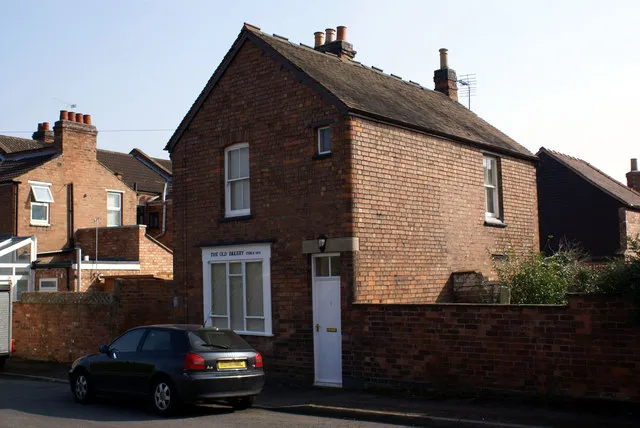
Photo: Colin Craig, CC BY-SA 2.0, via Wikimedia Commons
There is a particular kind of quiet outside a local bakery at 7.55am. The shutters are up, the lights are on, and someone in a flour-dusted apron is sliding a tray of sausage rolls into place like they are setting out the good china. Inside, the air smells of hot pastry and coffee, and the queue is made up of people who know exactly what they want. No menus the size of a broadsheet. No smashed avocado poetry. Just a warm counter, a paper bag, and the sense that breakfast has been handled.
Brunch has had a long run. It is nice. It is also, increasingly, a £14 plate of eggs with a side of theatre. The local bakery counter does not do theatre. It does pastry, bacon, and a cup of tea that arrives before you have finished saying please. In 2026, that feels less like a compromise and more like the smarter move.
The case against the £14 brunch
Let me be clear: I am not anti-brunch. A slow Sunday breakfast with friends has its place. But there is a gap between a proper brunch and the mid-morning plate that costs more than a week of lunches and arrives with a sprinkle of something green and a story about the sourdough. Too often, the food is fine but the performance is exhausting. You wanted breakfast. You got a lifestyle presentation.
The bakery counter is the opposite. It is honest about what it is. A sausage roll does not claim to be a wellness journey. A bacon bap does not need a backstory. You pay, you eat, you get on with your day. And because the prices are usually sensible, you can add a second coffee without doing mental arithmetic.
There is also the timing. Brunch starts late, which means you are hungry by the time you sit down. The bakery run starts early. By 8.15am you are fed, caffeinated, and out before the day has properly begun. That is not a small thing.
What the counter tells you before you order
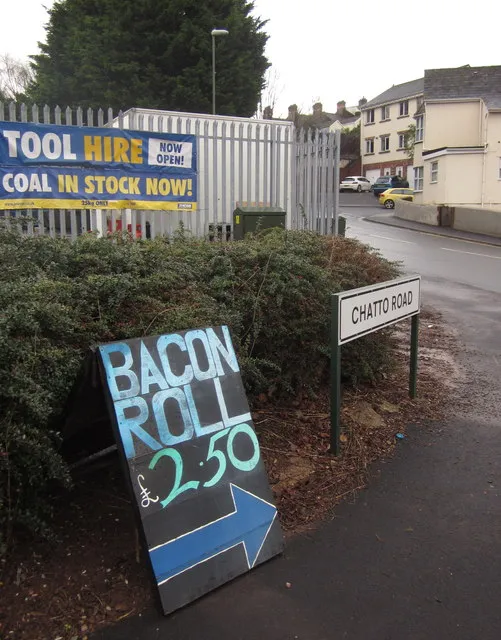
A good bakery counter is easy to read if you know what to look for. First, look at the trays. Are they full but not overflowing? A counter that bakes on site tends to have a steady, modest supply rather than a wall of identical pastries stacked like tiles. Second, look at the times. If there is a chalkboard or a little sign saying when the next batch is due, that is a good sign. It means someone is actually watching the oven.
Third, look at the range. A counter that bakes on site usually has a few things that look slightly uneven, or a special that changes with the day. A counter that only sells the same twelve items in perfect formation is probably not doing the baking itself. That is not a crime, but it changes what you should order. If the pastry is brought in, go for the bacon bap or the filled roll. If it is baked there, go for whatever is warm.
Finally, listen. If the person behind the counter says “those just came out” about anything, believe them. That is the whole game.
How to time the run
The sweet spot is between 8am and 9.30am. Arrive too early and you might get yesterday's bake or a limited first batch. Arrive too late and the best stuff is gone, the queue is longer, and the sausage rolls have lost their shine. If you are going on a Saturday, aim for 8.30am. On a weekday, 8.15am is usually safe. If the bakery is popular, ask when the next batch is due and plan around it. A ten-minute wait is worth it.
One more thing: do not queue for a pastry you do not actually want. It is easy to panic-order when the person in front of you takes the last cheese twist. Have a first choice and a second choice. If neither is there, get a bacon bap. The bacon bap is the reliable friend of the bakery counter.
What to order, and what to leave
The sausage roll is the benchmark. A good one has crisp, flaky pastry, a filling that is seasoned properly, and no greasy aftertaste. If the sausage roll is good, the rest of the counter is usually worth trusting. The bacon bap is the other essential: soft roll, proper bacon, and a sauce situation you can control. Beyond that, look for the plain croissant, the cheese straw, and whatever the special is. If there is a hot cross bun situation outside Easter, ask questions. If there is a custard tart, buy it.
What to leave? Anything that looks like it has been sitting under a lamp for three hours. Anything with a filling that looks dry at the edges. And any pastry that is described as “loaded” when it should just be a pastry. The bakery counter is at its best when it is simple.
The pastry economics
A sausage roll and a coffee from a local bakery might cost you £5 or £6. A brunch plate and a coffee can easily hit £18. That difference is not just money. It is time, too. The bakery run is a fifteen-minute errand. Brunch is a two-hour event. Sometimes that is what you want. But for a normal weekday, or a Saturday when you have things to do, the bakery counter wins on both counts.
There is also the local economy angle. The money goes to the shop that knows your name, or at least knows that you take your tea strong. That is worth something. It keeps the counter open, the baker employed, and the high street from turning into another row of empty units. You are not just buying breakfast. You are voting for a version of the morning that still has a bit of texture.
A small defence of eating outside
If the weather allows, eat it outside. A sausage roll eaten on a bench, with the paper bag unfolded on your knee and a coffee balanced on the armrest, is one of the great British breakfasts. It does not need a plate. It does not need a reservation. It just needs a bit of cold air and the knowledge that you have beaten the brunch crowd to it.
The bakery counter is not fancy. That is the point. It is the most honest breakfast we have: warm, affordable, and ready when you are. Next time you are tempted by a £14 plate of eggs, check the time. If it is before 9.30am, there is probably a better answer down the road, behind a glass counter, with a paper bag waiting.