The Gravy Jug Has a Family Tree: Brand Loyalty, Blind Tastings and the Roast Dinner Truce
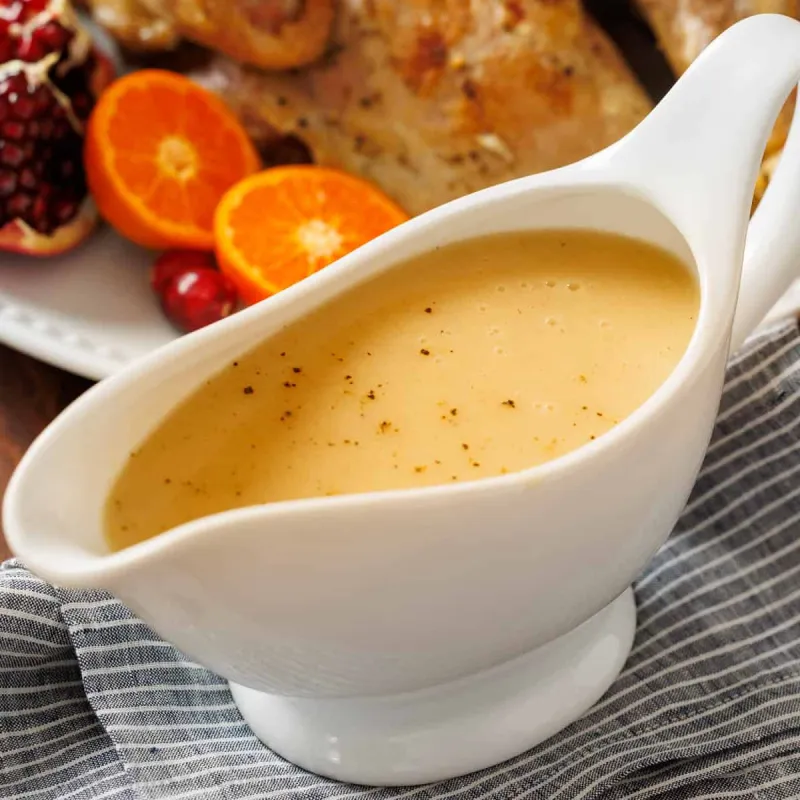
Photo: gravy jug Sunday roast dinner UK family table Yorkshire puddings chips pie, via www.lorisfavoriterecipes.com
There are two things you should never do in a British kitchen without asking first: rearrange the mug cupboard and swap the gravy granules. The first is annoying. The second is an act of aggression.
Gravy is one of those foods that pretends to be simple. It is brown, it is hot, it goes on the plate. But anyone who has watched a family member reach for a particular tub with the seriousness of a bomb disposal expert knows the truth. Gravy is memory, habit and territory, all thickened with cornflour.
The Tub Is Part of the Family
Ask someone why they use a particular granule and you rarely get a recipe answer. You get a story. It is the brand their nan used. It is the one that was always in the cupboard above the kettle. It is the one they bought in a panic during their first week in a flat and never questioned again.
The loyalty is not really about the granules. It is about the Sunday roast that tasted right, the chip tea after a long week, the pie that got someone through a bad November. Swapping the tub feels like editing the memory.
That is why gravy politics run so deep. A person will happily try a new pasta shape, a different brand of beans, even a controversial air fryer method, but touch the gravy and you have crossed a line.
What We Poured, and How We Poured It
We lined up six common supermarket gravies: a big-name beef granule, a chicken one, two own-brand beef tubs from different chains, an onion gravy, and a vegetarian granule. Everything was made to packet instructions, poured into identical mugs, and tasted with oven chips and a slice of cheap steak pie.
This was not a laboratory test. It was six people, a jug and a notepad. But blind tasting does something useful: it strips away the tub, the advert and the family backstory. For a few minutes, you are just a person with a spoon.
The big-name beef granule was dark, salty and instantly familiar. It thickened quickly and tasted like the idea of gravy rather than any particular meat. The chicken one was lighter and savoury, though it can tip into a strange yellow saltiness if you add too much. The onion gravy was sweet and sturdy, the sort of thing that makes chips feel like a proper dinner.
The own-brand tubs were the interesting bit. One was excellent value: deep enough, seasoned well, and perfectly happy next to a roast. The other was thinner and more aggressive with salt, the kind of gravy that needs a splash of meat juices to calm down. The vegetarian granule was fine but improved no end with a spoonful of butter or a little mustard, depending on what it was sitting next to.
The biggest surprise was not a shock winner. It was how much texture changed with water. A gram or two too many granules and you have wallpaper paste. A splash too much water and you have brown tea. Brand matters, but the jug matters more.
Why Nobody Is Allowed to Touch Your Nan's Brand
We asked a handful of home cooks about their gravy loyalties. The answers split along predictable lines: the tub they grew up with, the one their nan used, or the one that was on offer when they first moved out.
One person said they keep a decoy tub for guests and the good tub at the back of the cupboard. Another said they would rather make gravy from the roasting juices and still add a spoon of granules for insurance. A third admitted they had tried a cheaper own-brand swap in secret and quietly switched back before anyone noticed.
That is the thing about gravy loyalty. It is not blind. Most people know their brand is not objectively the best. They know it is salty. They know it is not made from a long-simmered stock. They do not care. It tastes like home, and home is not a blind tasting.
Matching Gravy to the Plate
The good news is that you can keep your loyal tub and still make gravy that suits the meal. It is mostly about thickness, salt and what you loosen it with.
For chips, keep the gravy loose enough to cling but not so thin that it turns the paper soggy. Onion gravy is a strong choice here, or a beef granule with a splash of vinegar and a little extra water. Chip-shop gravy is its own genre, but at home the aim is a glossy coat, not a flood.
For a roast, make the gravy in a jug and use the meat juices to loosen the granules. Chicken gravy should be lighter and more savoury; beef gravy can be darker and bolder. Do not make it so thick that it sits on the plate like a puddle with ambitions. A roast dinner needs gravy that moves.
For pies, think in two stages. The gravy inside the pie should be thick enough to hold, but the jug on the side should be looser so it does not turn the pastry into a damp regret. If you are doing chips and pie together, keep the gravy on the looser side and let people pour their own.
For vegetarian gravies, onion and mushroom do a lot of heavy lifting. Check the packet if you are cooking for someone who avoids meat, and do not be afraid to add a little soy sauce, mustard or nutritional yeast to give it more depth. A vegetarian granule is a base, not a finished argument.
How to Swap Without a Domestic Incident
If you want to change the gravy, do it openly. Sneaky swaps are how families end up in a cold war over the Sunday table.
Introduce, do not replace. Make your gravy in a jug and keep the old tub visible. If someone wants their brand, let them have it. If you are doing a blind test, use clean mugs and do not lie if asked. The point is to find out what people actually like, not to win a point.
And if your nan's brand is the one that makes Sunday feel like Sunday, that is not stubbornness. That is seasoning. In 2026, with everything costing what it does, a cheaper own-brand tub can absolutely hold its own. But gravy is not only a cost decision. It is a small, brown, salty piece of family history.
The best granule is the one that gets the jug to the table and the family talking. Everything else is just water and powder.