Soggy Boxes and Sorted Dinners: How to Read Takeaway Packaging Before You Order
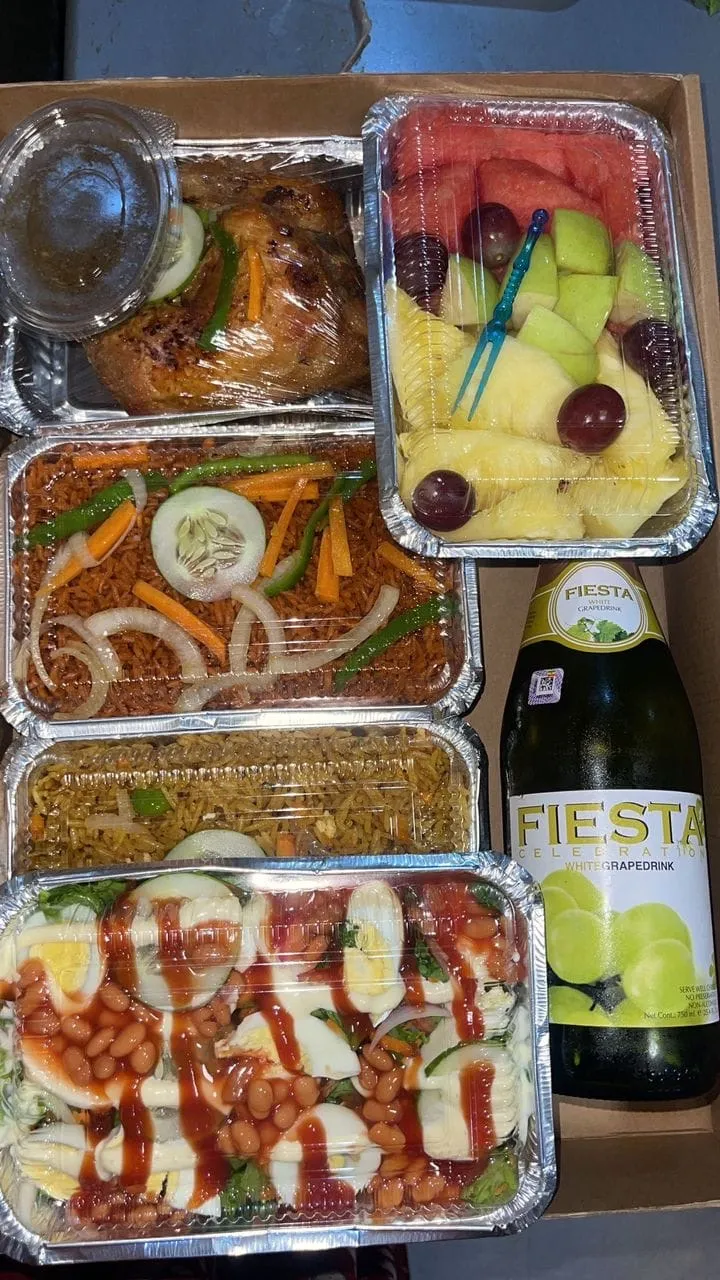
Photo: Uthman salma, CC0, via Wikimedia Commons
There is a moment, about four minutes into the drive home, when you realise the takeaway is not going to make it. The bag is warm in a bad way. Something is leaking. The smell is excellent, but the texture is already plotting against you. This is not a moral failing. It is a packaging problem. And in 2026, with delivery fees creeping up and collection queues getting longer, it is worth knowing which orders survive the ride and which ones are better eaten standing up in the shop.
The first rule: heat, steam and distance
Most takeaway problems come down to steam. Hot food releases moisture. If that moisture has nowhere to go, it settles on the food and turns crispy things soft, saucy things watery and bread things sad. Good packaging gives steam an exit or keeps wet and dry components apart. Bad packaging seals everything into a sweaty little sauna and hopes for the best. Distance makes it worse. A five-minute walk is forgiving. A twenty-minute drive through town is not. If you are ordering for delivery, think about the food's worst-case scenario, not its best.
Fish and chips: the reliable survivor
Fish and chips is the great British takeaway because it is built for travel — up to a point. Chips want to breathe. Batter wants to stay crisp. The classic paper wrap is not just tradition; it lets moisture escape. A sealed polystyrene box is the enemy. If you are collecting, ask them not to clamp the lid down if it is going straight in the car. If you are getting it delivered, keep the distance short and avoid ordering it in the pouring rain unless you enjoy soggy batter. The best packaging here is simple: paper, a vent, and a separate pot of sauce rather than a lake of ketchup on top.
Biryani and curries: the layered approach
Curries travel better than most people think, provided the kitchen separates the components. A biryani should arrive with the rice and meat together but the raita and curry in their own sealed tubs. If everything is sloshed into one container, you get a sort of spiced rice soup. Not the end of the world, but not what you ordered. Foil trays with card lids are fine for short trips; rigid plastic tubs with proper seals are better for longer deliveries. Naan should be wrapped in paper, not sealed in foil, or it goes leathery. Onion bhajis need air. If the bag smells like a spice cupboard exploded, that is a good sign. If it feels heavy and damp, brace yourself.
Burgers: the packaging gamble
Burgers are the most packaging-sensitive takeaway on this list. A good burger needs to be assembled close to eating. Wrap it in paper and it steams slightly, which can be fine. Box it while it is screaming hot and you get a bun that has given up. Foil is worse — it traps everything and turns the whole thing into a warm, soft brick. If you are ordering delivery, choose a place that packs sauces separately and does not stack the burger under a mountain of fries. If you are collecting, eat it in the car. I am not joking. A burger that travels ten minutes is a different food from a burger that travels twenty-five.
Noodles and stir-fries: the steam trap
Noodles are brilliant and terrible for takeaway. They are brilliant because they are fast and comforting. They are terrible because they hold steam like a sponge. A cardboard box with a vent is your friend. A sealed plastic tub is your enemy. If the noodles arrive claggy, it is not necessarily the kitchen's fault — it is physics. Order them for collection if you can, and if you are getting them delivered, pick a dish with a separate sauce so you can loosen things up at home. Stir-fries with crispy elements are best eaten immediately. Do not expect miracles.
Pizza: the box is part of the design
Pizza is the one takeaway where the packaging is genuinely fit for purpose. A cardboard box breathes, stacks flat and keeps the base from turning into a cushion. The risk is sogginess from toppings, especially if the pizza is piled high with wet vegetables. Keep the box flat on the way home. Do not put it on the passenger seat at an angle. If it arrives lukewarm, a two-minute blast in a hot oven will do more than a microwave ever will. Pizza is forgiving. That is why it is the default choice for a crowd.
What the packaging tells you before you order
You can learn a lot from a takeaway's packaging choices before the food arrives. Rigid containers with proper lids suggest someone has thought about leaks. Separate sauce pots suggest they care about texture. Ventilated boxes suggest they understand steam. A menu that offers 'collection recommended' for certain dishes is a good sign, not a bad one. Reviews that mention 'arrived hot' and 'not soggy' are worth more than reviews that just say 'lovely'. And if every dish on the menu comes in the same cheap foil tray, adjust your expectations accordingly.
Collect or deliver? A quick cheat sheet
Collect: burgers, noodles, stir-fries, anything fried and crispy, sushi, and fish and chips if you are close. Deliver: curries, biryani, pizza, stews, and anything that is meant to be saucy and soft. If you are unsure, ask the restaurant. A good takeaway will tell you honestly which dishes travel best. A bad one will say everything is fine and then send you a bag of regrets.
The final bite
The takeaway packaging test is not about being precious. It is about getting what you paid for. A great kitchen can be let down by a bad box, and a mediocre kitchen can be saved by good travel. Next time you order, think about the journey as part of the recipe. If the food is going to sit in a bag for twenty minutes, choose something that can handle it. If you want the crispy stuff, go and get it. The best takeaway is not always the closest one. It is the one that arrives in the state the chef intended.