What 'Mild' Actually Means at 7pm on a Friday: A Takeaway Menu Translation Guide
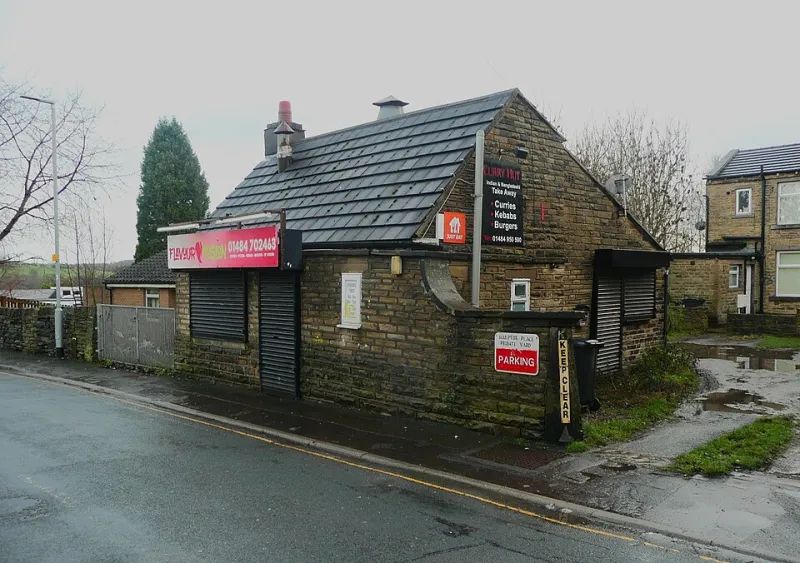
Photo: Humphrey Bolton , CC BY-SA 2.0, via Wikimedia Commons
Friday night, menu open, stomach making the decisions. You scan the words — mild, spicy, house special, large — and assume everyone means the same thing. They do not. A takeaway menu is less a technical document and more a local dialect. It is written by people who know their regulars, priced to make the till ring, and shaped by what the kitchen can send out quickly on a busy night. None of that is dishonest. It just means the words need translating.
Mild, medium, hot: a rough scale, not a promise
In a British curry house, mild usually points you towards korma, pasanda or a creamy house curry. Medium might be madras, rogan josh or a biryani sauce. Hot often means vindaloo, phaal or naga. That is the rough map, but the borders move. One kitchen's madras can be gentler than another's jalfrezi. A medium in a Bangladeshi-owned curry house may carry more warmth than a hot in a high-street chain that is hedging its bets.
If heat matters to you, do not rely on the single word. Ask a direct comparison: is your madras hotter than your jalfrezi? Is the house curry milder than the korma? Most counter staff will give you a straight answer because they would rather you enjoyed it than spent the next morning regretting it. If you are ordering for a mixed table, ask for the sauce on the side. That one request solves more Friday-night arguments than any heat scale.
Chinese takeaways have their own language. Spicy might mean a chilli-heavy sauce, a spoonful of chilli oil or dried chillies you are expected to avoid. Salt and pepper is not usually a heat warning at all — it is a savoury, garlicky coating that sometimes brings chilli along for the ride. Szechuan suggests numbing heat, but the strength varies wildly. If you want the flavour without the fire, ask for it mild and request chilli oil separately.
'House special' is a business decision, not a recipe
A house special sounds like the chef's proudest creation. Sometimes it is. Often it is the most efficient thing to sell: a mixed grill, a bit of everything, a portion that uses up several ingredients and justifies a higher price. That can be excellent value. It can also mean prawns, pineapple, cashews or a surprise mushroom turning up in your dinner.
In a kebab shop, a special is usually shorthand for a bit of everything — doner, chicken, maybe lamb shish, salad, sauce and a pitta that is doing structural work. In a fried chicken shop, special might refer to a spice blend, a bigger box or a meal deal with a drink. The word tells you almost nothing on its own. Ask what is in it, and ask whether the special is mostly meat or mostly filler. That is not being fussy. That is ordering with your eyes open.
Portion words are doing a lot of heavy lifting
Regular is not a standard unit. In one shop it is a compact dinner for one; in another it is enough to feed two people who are not especially hungry. Large often means more rice, more chips or a bigger carton rather than a serious increase in the good stuff. Family can mean four modest portions or three generous ones. Box means different things in different shops — a fried chicken box, a rice box, a kebab box and a curry box are not measuring from the same ruler.
A useful rule: compare item counts, not adjectives. If one mixed grill lists three meats and another lists five, the second is probably bigger. If a meal deal includes a drink and a side, the headline price is not the price of the main alone. If you are ordering for a group, ask how many people the family size realistically feeds. The answer will be more honest than the word family on its own.
The heat is often hiding in the name
Vindaloo, phaal, naga, scotch bonnet, suicide wings, Szechuan, Thai green curry — these names carry expectations, but they are not regulated. A hot chicken wing can be milder than a kebab shop's chilli sauce. A mild curry can still have a gentle background warmth that builds as you eat. A spicy Chinese dish might rely on fresh chillies you can pick out, while an extra hot curry might use chilli powder that has nowhere to hide.
If you want flavour without the panic, ask for medium plus or request the chilli on the side. If you want proper heat, say so plainly and ask what the kitchen recommends. Staff are usually honest about which dishes make people sweat. They are less likely to volunteer that information if you only nod at the word spicy and hope for the best.
The cheat sheet worth keeping on your phone
- Can you tell me which is milder: the madras or the jalfrezi?
- What is actually in the house special?
- Is the large a bigger portion of meat, or just more rice?
- Can I have the sauce on the side?
- How hot is your chilli sauce, roughly, on a scale from ketchup to regret?
- Does the salt and pepper dish have chilli in it?
- How many people does the family box realistically feed?
Order what you actually want
A takeaway menu is not a puzzle to be solved by guesswork. It is a conversation starter. The best orders come from asking two or three small questions before you commit, especially when you are trying somewhere new. In 2026, most menus are online, which makes it easy to compare descriptions — but it also hides the person behind the counter. Ring the shop if the listing is vague. Ask about heat, portion size and what the special actually contains.
The words on the menu are a starting point, not a contract. Mild means different things on different streets. House special is often a clever bit of menu writing. Large is sometimes just a bigger box. Once you know that, Friday night gets a lot simpler: you order the dinner you wanted, not the one the menu assumed you understood.