Butter, Beans and the Quiet Kitchen: In Defence of the Late-Night Toast Plate
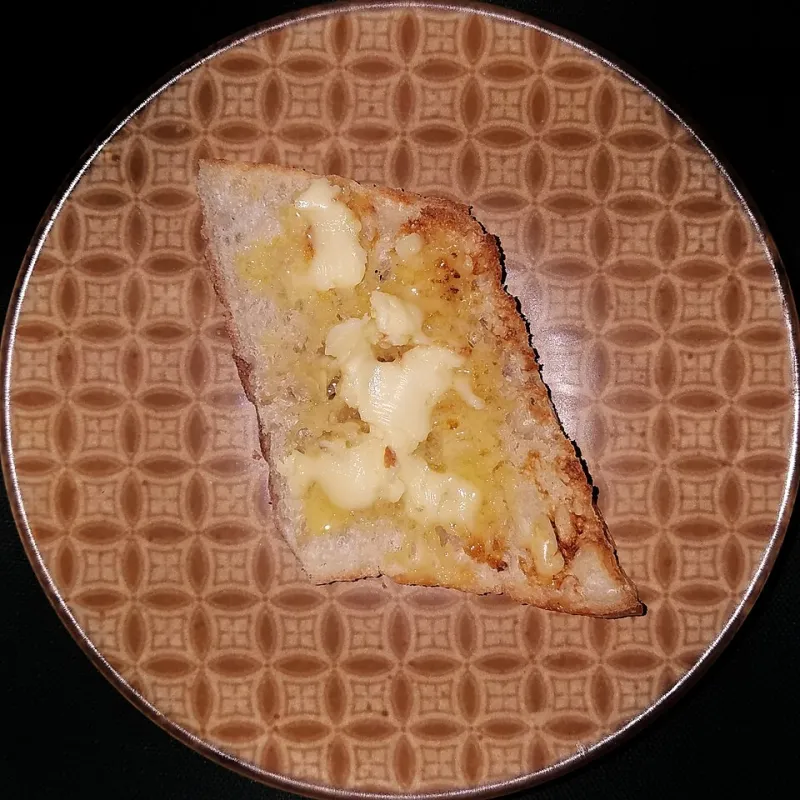
Photo: Daderot, CC0, via Wikimedia Commons
There is a very specific moment in the British evening when dinner stops being a project and starts being a practical question. The kettle is on. The toaster is out. The fridge has been opened, assessed and closed again. Nobody wants a recipe. Nobody wants a pan sauce. What they want, whether they say it or not, is toast.
Not toast as a sad stand-in for something better. Toast as the meal itself. The nine o'clock tea: two slices, proper butter, something salty on top, and a mug of tea strong enough to count as a second course. It feeds you after work, after the pub, after the kids are finally asleep, and after a long day of pretending you had a plan.
The meal that never asks for a recipe
Toast has a strange reputation problem. It is the thing you eat when there is nothing else, which is unfair, because most nights there genuinely is nothing else that can be ready in four minutes without a delivery fee. It is also the meal that never gets its own menu section. You will find toast on a brunch menu with avocado and a £9 price tag, but the ordinary late-night version is treated like a failure of ambition.
That is nonsense. A good slice of toast is a proper piece of cooking. The bread has to be right, the butter has to be soft enough to melt but not so soft it turns into grease, and the topping has to be warm, salty and generous. It is not a snack. It is dinner with the volume turned down.
A short field guide to regional toppings
Britain does not agree on much, but it does agree that toast is a platform. In Wales, the rarebit instinct runs deep: cheese, mustard, a splash of something dark, grilled until it bubbles and threatens the roof of your mouth. In Scotland, a potato scone toasted until crisp at the edges makes a fine base for butter and a fried egg. In Northern Ireland, leftover soda bread or a bit of wheaten is never wasted, and the toastie machine is never far away.
In England, the rules get looser. Beans and cheddar is the classic, but so is Marmite with so much butter it looks like a warning. Tinned spaghetti, corned beef, a smear of mustard, a few pickled onions on the side: all fair. The point is not to build a museum exhibit. The point is to use what is in the cupboard and make it feel deliberate.
Household rules nobody writes down
Every home has its own toast constitution. Some people insist on two slices, cut diagonally, on a plate that has been warmed. Others go for four rounds and call it a tray. Butter goes on first, always, before anything wet. Beans are heated in a pan, not the microwave, because the microwave makes them taste like regret. The tea has to be made while the toast is doing, not after, or the timing collapses.
There is also the question of the second round. A single round of toast is a snack. Two rounds is a meal. Three rounds is a decision. Four rounds is a lifestyle. Nobody needs to justify it. The toaster is still on, and the night is still young enough to make another cup of tea.
Why it never gets menu status
You will not see the nine o'clock tea on a takeaway app. It does not photograph well in a foil box. It does not travel. It does not have a marketing budget. It is also almost impossible to sell at a price that feels fair, because the whole point is that it costs pennies and takes minutes.
That is exactly why it matters. In a food culture obsessed with new openings, limited drops and the next big thing, toast is the quiet opposition. It is the meal you make when you are too tired to be impressive. It is the meal that asks nothing of you except that you pay attention for four minutes.
Three 2026 upgrades that still fit on one plate
You do not need to turn toast into a project. But if you want to nudge it up a gear without dirtying every pan in the kitchen, these are worth trying.
The chilli crisp egg toast. Toast a thick slice, butter it, add a fried egg with a runny yolk, and spoon over a little chilli crisp. Spring onion if you have it. This is the closest toast gets to a restaurant plate, and it still takes less time than choosing a film.
The smoked paprika beans. Warm a tin of beans with a pinch of smoked paprika, a splash of Worcestershire sauce and a handful of grated cheddar. Pile onto buttered toast. It tastes like you planned it, even if you did not.
The tinned fish toast. Sardines or mackerel, mashed onto toast with lemon, pepper and a little parsley or rocket. It is salty, rich and genuinely filling, and it makes a single slice feel like a proper dinner. Use the good bread for this one.
The case for keeping it ordinary
The best thing about the nine o'clock tea is that it does not need to become a trend. It does not need a branded topping or a TikTok tutorial. It needs bread, butter, heat and a bit of salt. It needs you to stop treating dinner as a performance and start treating it as something that keeps you going.
So put the kettle on. Get the toaster out. Use the good butter. And if anyone asks what is for dinner, tell them the truth: toast, and it is exactly what you wanted.